VI
VI
 EN
EN



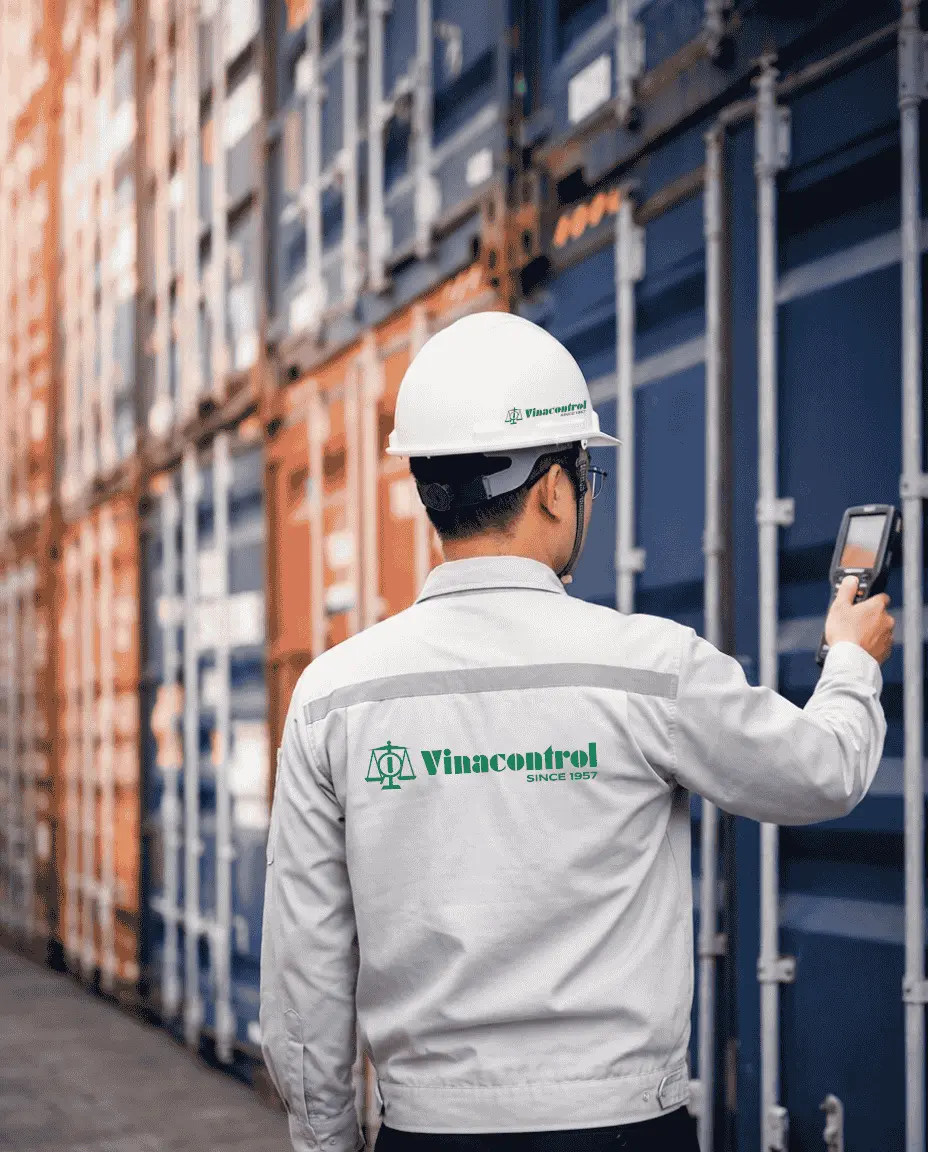



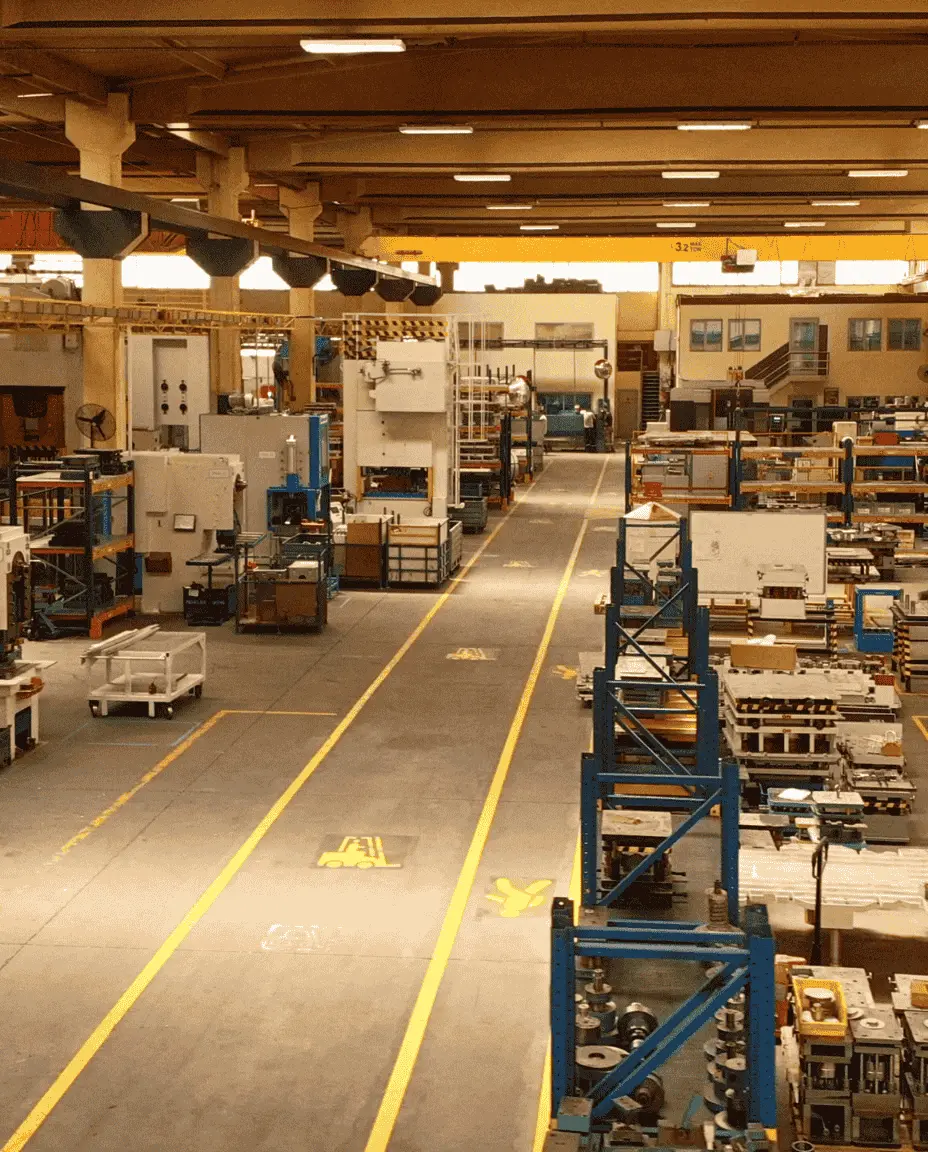



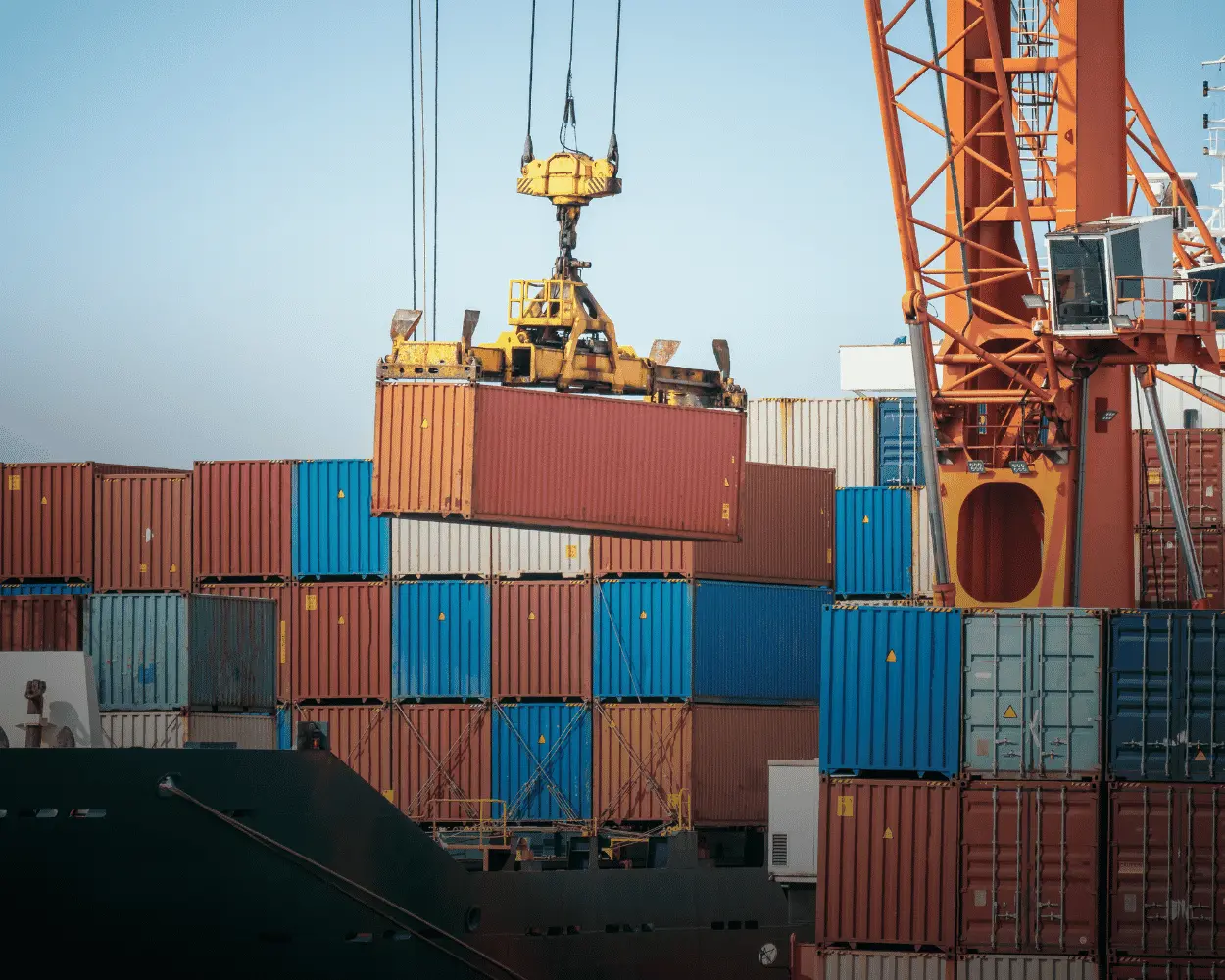
Imported cargo may experience discrepancies in quantity, quality, specifications, origin, or condition during production, packaging, transportation, and delivery. Beyond commercial risks, certain commodities must also comply with specialized inspection requirements, technical regulations, and state management procedures prior to being released into market circulation.
Vinacontrol’s Inspection of Imported Goods Service assists enterprises in objectively verifying the actual condition of their shipments, meeting state management requirements, and establishing a reliable basis for customs clearance, cargo reception, payment, claims, or dispute resolution.
Service Background
Inspection of imported goods is the process of examining, evaluating, and certifying the actual condition, quality, and origin of a shipment. This activity ensures that the cargo complies with the commercial contract or declared applicable standards and corresponding technical regulations.
As the pioneer and leading inspection, testing, certification, and audit organization in Vietnam, Vinacontrol leverages an extensive operational network and a team of highly experienced inspectors to accompany businesses in verifying imported cargo, satisfying market requirements, controlling risks, and safeguarding commercial interests.
When is inspection of imported goods required?
1. Mandatory Inspection (According to State Regulations)
✔ Import of used machinery, equipment, and technological lines: Pursuant to Decision No. 18/2019/QD-TTg, an inspection certificate issued by a designated inspection organization is a mandatory document in the import dossier for used machinery, equipment, and technological lines.
✔ Import of scrap materials for production: Inspection is a mandatory procedure for state authorities to evaluate the conformity of scrap shipments against national technical regulations.
✔ Goods subject to quality inspection or specialized management: Products and goods with potential safety risks must be assessed by a designated or recognized organization as a basis for regulatory authorities to review import procedures.
2. Voluntary Inspection (Based on Commercial Demand)
Even when not mandatory by law, enterprises and relevant stakeholders may proactively request inspections to protect their interests and manage transaction risks. Common scenarios include:
✔ Cargo showing signs of damage at ports or delivery points: Dented containers, broken seals, damaged packaging, or damp, deformed, or defective cargo. Timely inspection records the actual condition, determines the extent of damage, and provides an official basis for working with sellers, carriers, or insurance providers.
✔ Discrepancies in quantity, weight, or quality: Delivered goods do not conform to the contract, approved samples, technical specifications, or shipping documents.
✔ Payment terms requiring an inspection certificate: Contracts or Letters of Credit (L/C) may stipulate the presentation of an inspection certificate issued by an independent inspection body prior to payment.
✔ Need for bulk cargo weight determination: Draft survey inspection is commonly applied to bulk commodities transported by vessel, such as coal, ores, agricultural products, or raw materials in large quantities.
✔ Claims, compensation, or dispute resolution: The inspection certificate provides independent, objective information regarding the condition, quantity, quality, and cause of loss within the requested scope.
Scope of Services
✔ Quality Inspection: Visual inspection, physical and chemical properties testing, technical parameter evaluation, functional assessment, and checking conformity with contracts, standards, or applicable technical regulations.
✔ Quantity and Weight Inspection: Tallying packages, bags, crates, or units; determining weight via weighbridges, volume measurements, draft surveys, or methods suitable for each cargo type.
✔ Packaging and Marking Inspection: Evaluating packaging specifications, packaging materials, labels, shipping marks, and the protective capability of packaging during transit, warehousing, and delivery.
✔ Damage Survey: Recording actual condition, establishing the extent and scope of damage, and assessing potential causes related to transit, handling, storage, or inherent vice of the goods.
✔ Origin Inspection: Verifying documentation, product labels, shipping marks, production details, and verifiable evidence to draw conclusions within the scope of inspection.
✔ Lashing Survey: Inspecting the arrangement, dunnage, lashing, and securing of cargo on vessels, containers, or transport vehicles.
✔ Loading and Discharge Supervision: Monitoring cargo loading, unloading, and delivery operations at vessels, containers, warehouses, or transport vehicles; recording quantities, packaging conditions, and anomalies to minimize shortages, damage, and disputes.
Our Solutions: