VI
VI
 EN
EN



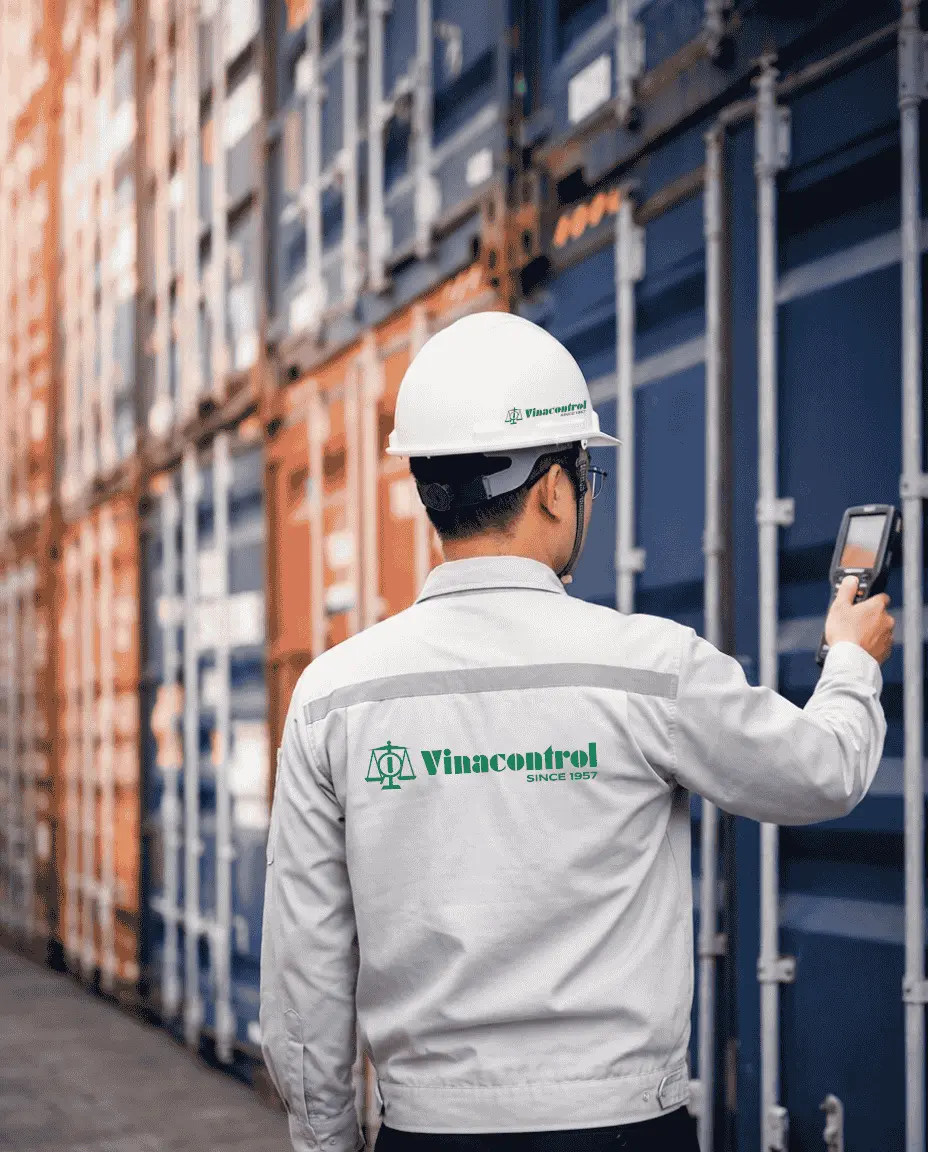



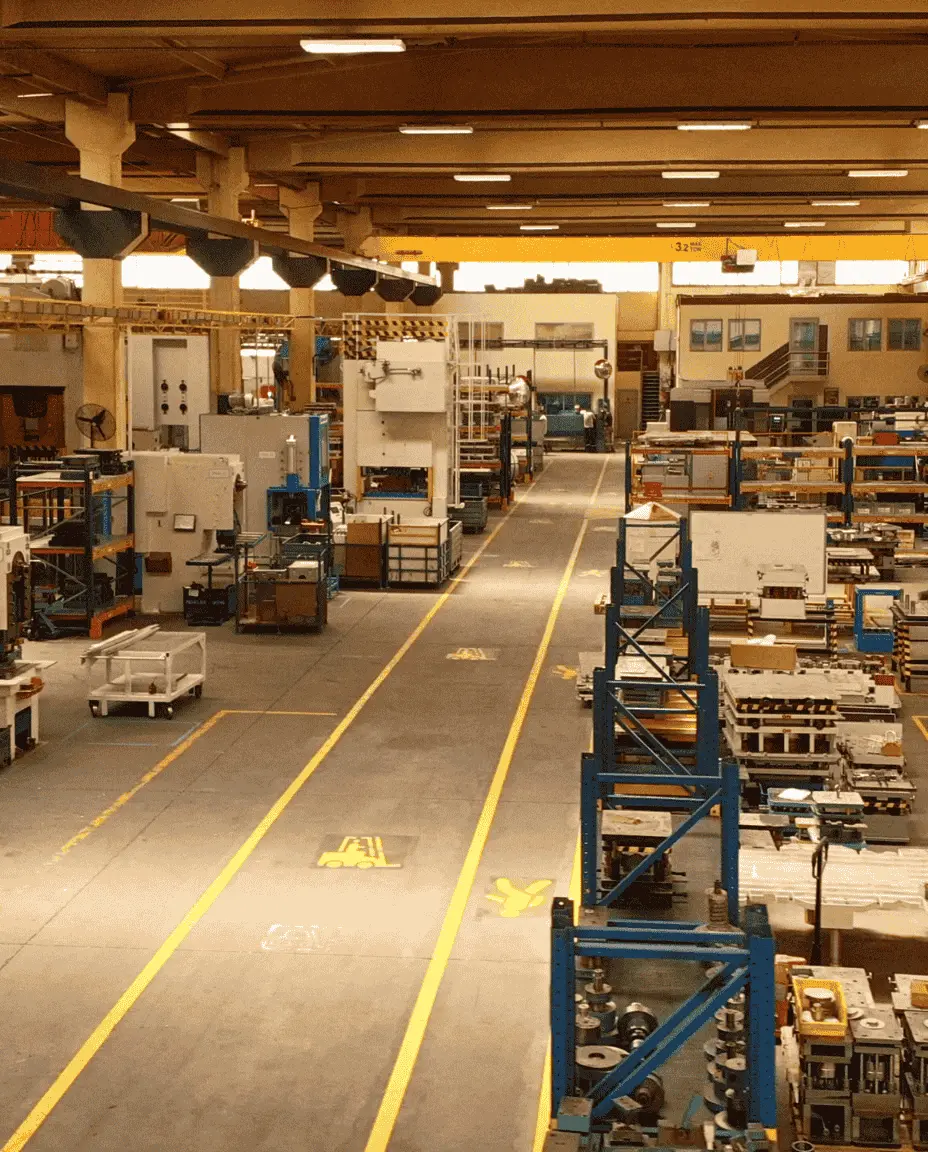



In the landscape of an increasingly intricate global supply chain, selecting and collaborating with the right suppliers is paramount to operational efficiency, product quality, and corporate brand integrity
However, not every supplier possesses the production capacity, management systems, or compliance levels required by their partners. A lack of transparency regarding a supplier's actual capabilities can lead to significant risks, including failure to meet delivery commitments, quality deviations, regulatory non-compliance, or systemic supply chain disruptions.
Vinacontrol provides Supplier Verification & Assessment services to support businesses in independently evaluating the legal standing, production capacity, and management systems of their partners both prior to contract finalization and throughout the duration of the partnership.
These assessments are conducted by experienced experts using objective methodologies and international standards, empowering enterprises to make procurement decisions based on authentic and reliable data.
Service Background
Supplier verification and assessment is the methodical process of gathering, verifying, and evaluating information on a supplying entity to determine its alignment with the buyer's requirements.
Vinacontrol’s solutions empower enterprises to:
✔ Verify the legality and actual capacity of suppliers
✔ Assess the ability to meet technical, quality, and progress requirements
✔ Early detect potential risks in the supply chain
✔ Support the selection of suppliers suitable for the purchasing strategy
✔ Enhance transparency and risk control in commercial transactions
When to conduct Supplier Verification & Assessment?
1. Pre-Contract with New Suppliers
Limit risks of commercial fraud or misrepresented data when exploring new markets.
2. Supply Chain Expansion
Evaluate multiple candidates to select the optimal partner during market growth.
3. Transparency Concerns
Perform independent audits when doubts arise regarding production capacity, factory scale, or management systems.
4. International Mandates
Fulfill "Supplier Audit" or "Factory Assessment" requirements from international partners or importers.
5. Periodic Evaluation
Maintain supply chain quality and ensure ongoing compliance with technical and management criteria.
Scope of Services
1. Corporate Legal Verification
Confirmation of fundamental supplier credentials:
- Business Registration Certificates.
- Authorized business lines.
- Ownership and shareholder structure.
- Operational status and relevant production licenses.
→To ensure the supplier operates legally within the authorized sector.
2. Facilities and Production Capacity Assessment
On-site surveys to evaluate:
- Workshop scale and production line sophistication.
- Equipment technology and maintenance status.
- Actual output and manufacturing capacity.
- Production control workflows and order fulfillment capability.
→ Determine the actual capacity of the supplier compared to published information.
3. Quality Management System (QMS) Evaluation
Review the level of establishment and operation of management systems at the supplier, including:
- Quality control processes
- Input material control
- Production control
- Final product inspection
Retention of quality records In necessary cases, the assessment may include checking compliance with management systems such as:
- ISO 9001 – Quality Management System
- ISO 22000 / HACCP – Food Safety
- ISO 14001 – Environmental Management
4. Management and Personnel Competency
Assess the organizational structure and operational capacity of the supply enterprise:
- Organizational structure and assignment of responsibilities
- Professional qualifications of the technical team
- Production management processes
- Ability to control quality and order progress
5. Operational Conditions and Safety (HSE)
Check conditions related to:
- Labor safety
- Production environment conditions
- Workshop hygiene control
- Raw material and finished product warehouse management
- Storage and transportation conditions
Assessment content can be adjusted depending on the specifics of the product category such as food, textiles, electronics, agricultural products, or industrial materials.
6. Relevant Records and Documents Assessment
Review documents proving the capacity and activities of the supplier:
- Customer records and previous orders
- Management system certifications
- Product certifications
- Testing or inspection reports
- Internal quality control records