VI
VI
 EN
EN



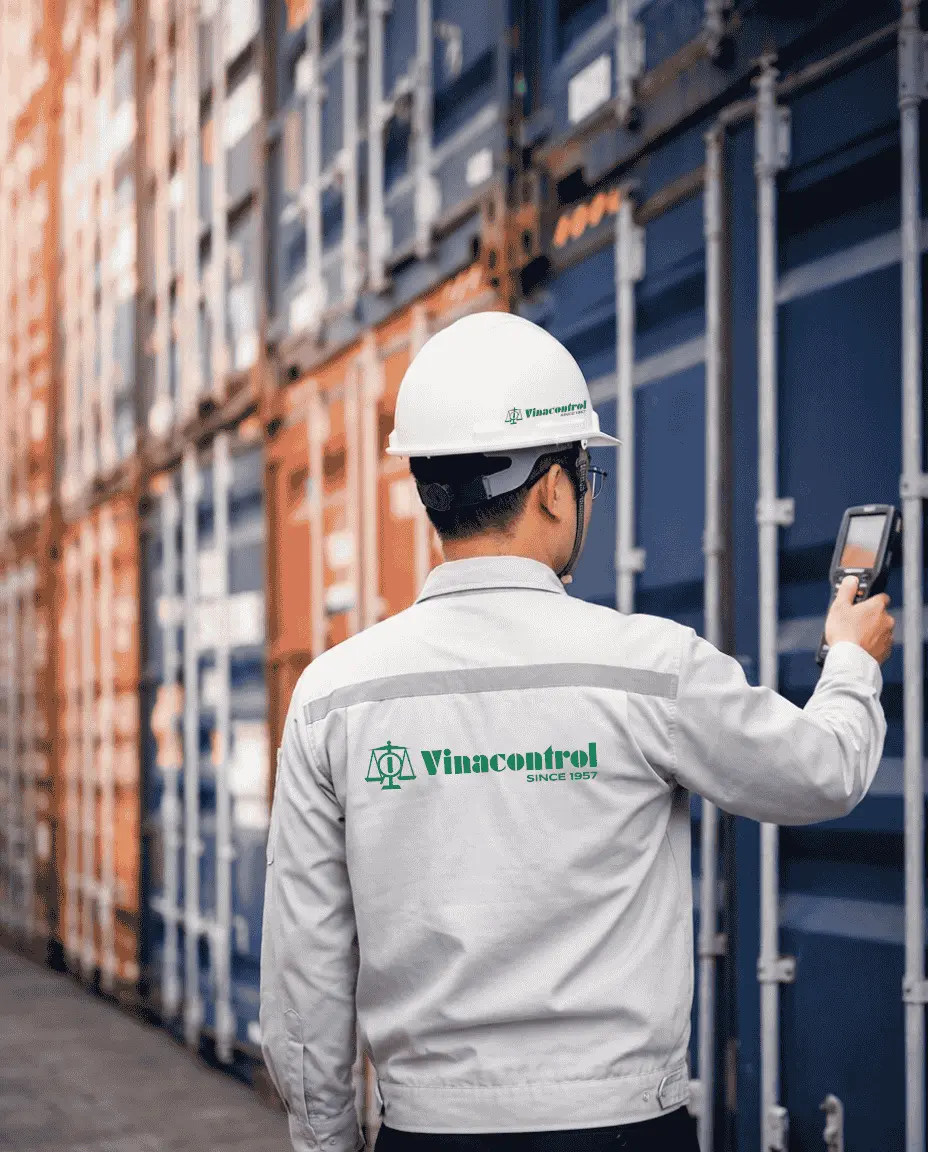








In international trade, ensuring that a shipment fully meets requirements regarding quality, quantity, packaging specifications, and delivery terms prior to export is a decisive factor in minimizing commercial risks and maintaining a company's reputation with partners.
Pre-shipment Inspection (PSI) is an independent inspection process conducted before goods leave the production site or are loaded onto the means of transport. This activity confirms the shipment’s compliance with commercial contracts, technical standards, and the regulations of the importing market.
With a team of highly experienced inspectors and assessment processes developed in accordance with international standards ISO/IEC 17020:2012, Vinacontrol provides pre-shipment inspection services to assist enterprises in quality control, ensuring transaction transparency, and mitigating commercial disputes.
Service Background

Pre-shipment Inspection (PSI) is the process of comprehensively checking and evaluating a finished shipment before it is packed, container-sealed, or loaded onto the means of transport.
Inspection activities typically include:
✔ Checking shipment quantity and weight.
✔ Evaluating product quality against standards or contract specifications.
✔ Inspecting packaging, packing, and labeling conditions.
✔ Verifying loading patterns and container sealing.
✔ Monitoring the loading process onto the means of transport.
✔ Issuing inspection reports and independent inspection certificates.
Through PSI services, enterprises can:
-
Confirm that the shipment complies with the contract before delivery.
-
Detect and rectify quality discrepancies prior to export.
-
Minimize the risk of cargo rejection or post-delivery claims.
-
Provide objective evidence for commercial payments.
When is Pre-shipment Inspection required?
PSI is typically conducted in the following situations:
Before delivery to overseas partners
Enterprises need to confirm that the shipment fully meets contractual requirements before finalizing delivery or payment.
When requested by the buyer
Many importers require independent inspection from a third-party organization to ensure the shipment's transparency and objectivity.
When required by the commercial contract
In many international trade contracts, an inspection certificate is a mandatory condition for:
-
L/C payment.
-
Customs clearance.
-
Confirmation of fulfillment of delivery obligations.
When exporting to markets requiring quality checks
Some countries require pre-shipment inspection for specific groups of goods to ensure:
-
Product quality.
-
Consumer safety.
-
Compliance with technical standards.
When enterprises need to control supply chain risks
PSI helps detect manufacturing defects, packing discrepancies, or quantity shortages before goods leave the factory.
Vinacontrol’s PSI Service Scope
Vinacontrol provides pre-shipment inspection services for a diverse range of commodities, including:
-
Agricultural products and food.
-
Industrial goods.
-
Chemicals and raw materials.
-
Machinery and equipment.
-
Consumer goods.
-
Production raw materials.
The scope of inspection may include the following:
1. Quantity and Weight Inspection
Determining the actual quantity and weight of the shipment prior to export. Inspection methods may include:
-
Direct tallying/counting.
-
Weight determination.
-
Volumetric measurement.
-
Container seal inspection.
This activity helps ensure:
-
The shipment is delivered in the correct quantity as per the contract.
-
Discrepancies during logistics are minimized.
-
A basis for commercial payment confirmation is provided.
2. Product Quality Inspection
Evaluating shipment quality based on:
-
Technical specifications in the contract.
-
National or international standards.
-
Technical regulations of the importing market.
Inspection contents may include:
-
Sensory inspection: Color, odor, surface condition, and product finishing.
-
Technical parameter check: Dimensions, weight, durability, composition, or technical characteristics.
-
Sampling for testing (if necessary): Samples are taken according to standard sampling methods and may be sent to a laboratory for in-depth analysis.
3. Packaging, Packing, and Labeling Inspection
Packaging and labeling are critical factors in ensuring goods are safely preserved and compliant with the importing market's regulations. Inspection activities may include:
-
Verifying packaging types.
-
Checking packing methods.
-
Inspecting labels and shipping marks.
-
Checking mandatory information on packaging.
-
Assessing protection capabilities during transit.
4. Loading Supervision and Container Sealing
Vinacontrol inspectors can directly monitor the loading process to ensure:
-
Goods are loaded according to specifications.
-
Containers are clean, dry, and suitable.
-
No signs of damage or contamination.
-
Goods are safely lashed and secured.
Upon completion, inspectors will:
-
Check and record container seal numbers.
-
Prepare loading supervision reports.
-
Provide photographic evidence if required.
5. Supervision of Loading onto Means of Transport
Where necessary, Vinacontrol supervises the loading process onto:
-
Containers, trucks, ocean vessels, or barges.
This supervision helps ensure:
-
Technical loading procedures are followed.
-
Damage during loading and unloading is avoided.
-
The condition of the goods at the time of delivery is documented.
Our Solutions: