VI
VI
 EN
EN



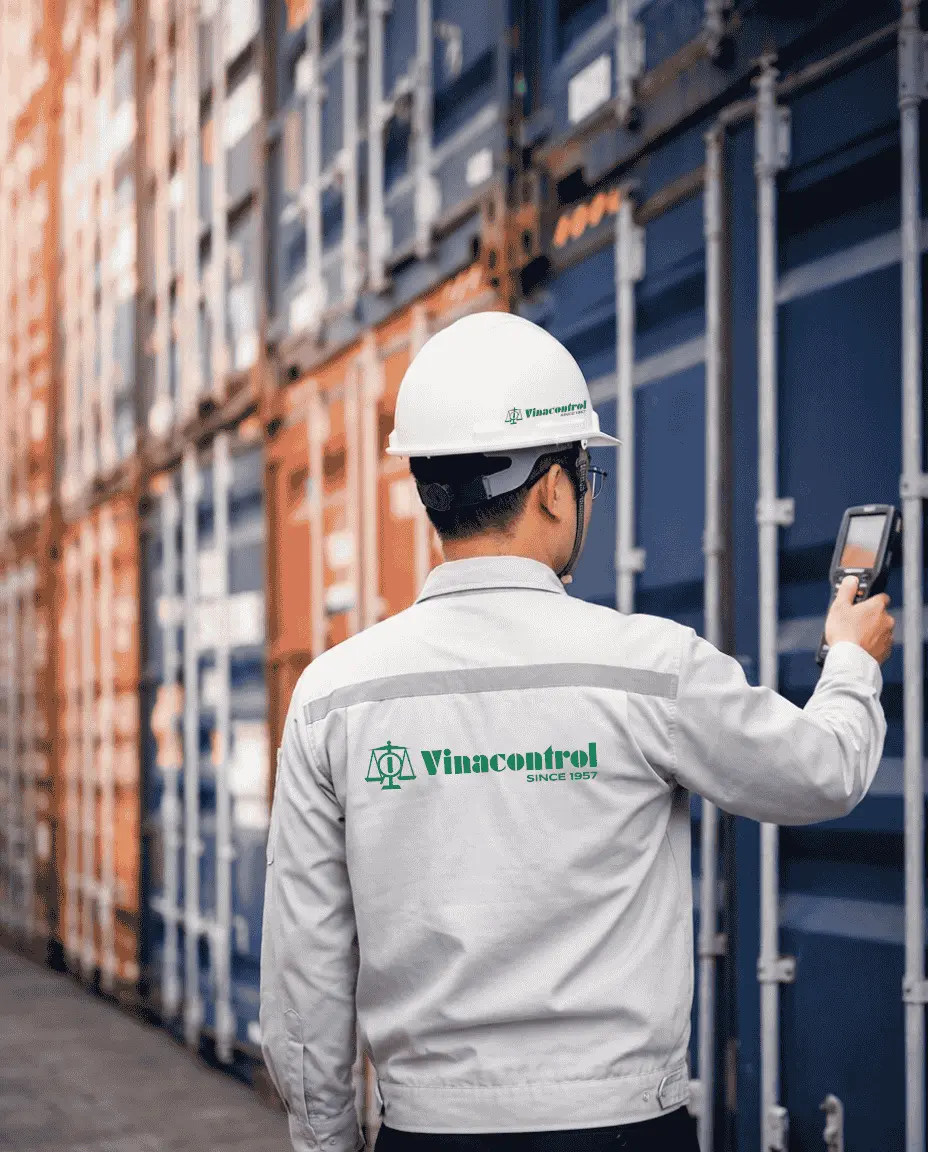



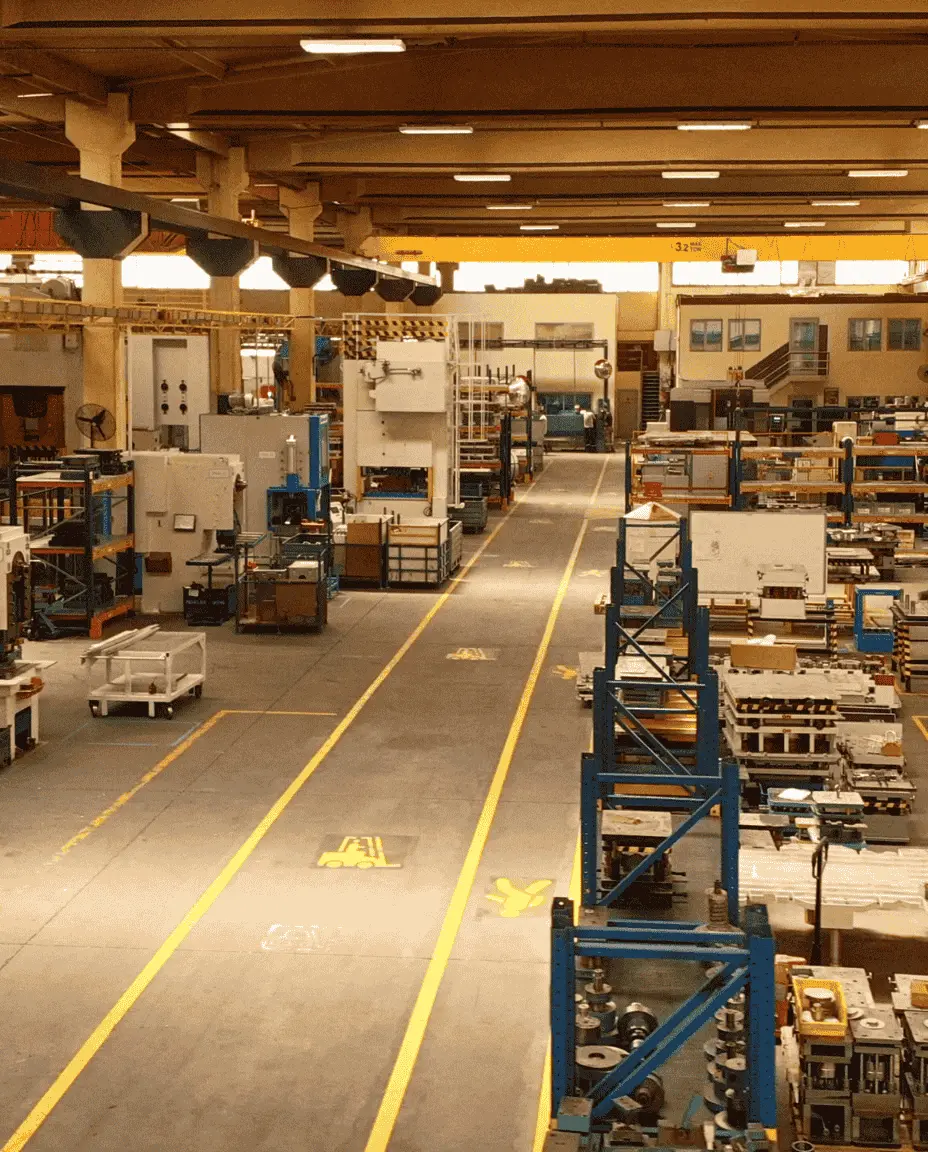


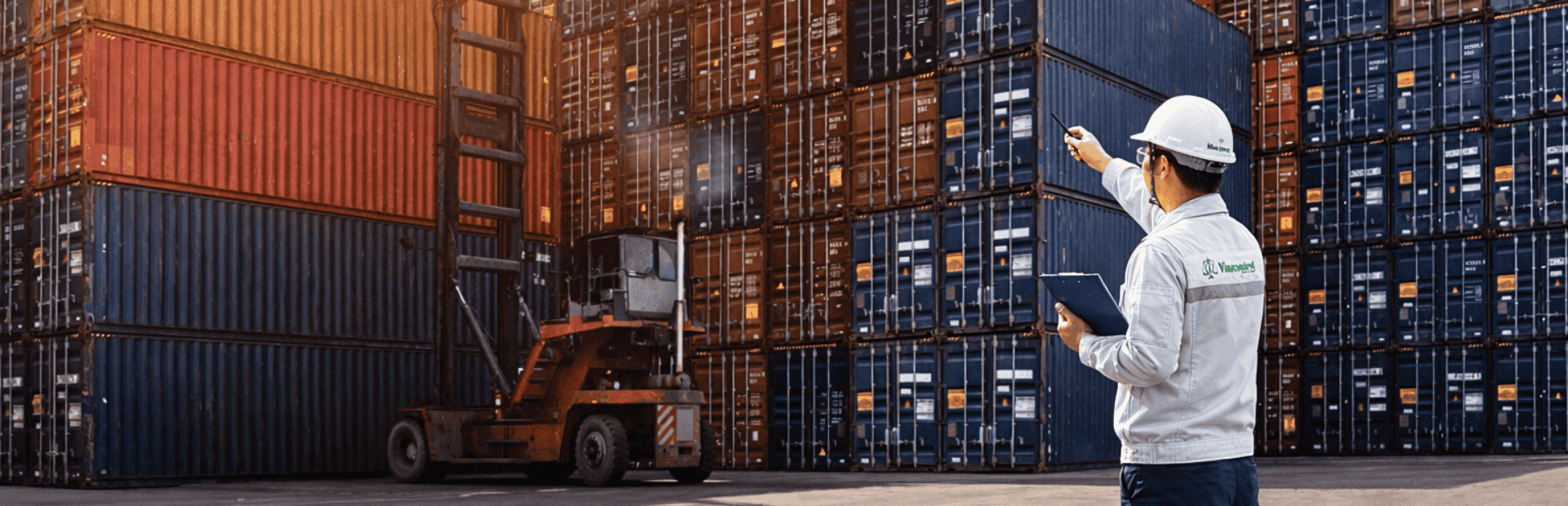

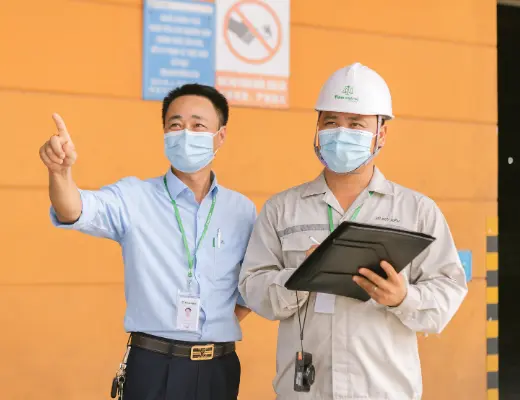
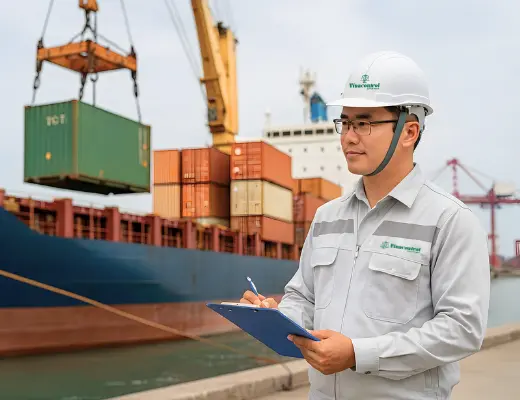
In the context of global trade requiring strict compliance with legal standards, independent inspection has become an essential factor for businesses to operate transparently and mitigate risks. Vinacontrol provides a comprehensive system of inspection solutions, conducted in accordance with the international standard ISO/IEC 17020:2012 to ensure the highest level of quality, accuracy, and objectivity.
With nearly 70 years of experience and widely recognized capabilities, Vinacontrol supports businesses in effective quality control, maintaining operational standards, and strengthening trust in every transaction.
 Service Background
Inspection is the examination of a product design, a product, a process, or installation to determine its conformity with specific requirements or, on the basis of professional judgment, with general requirements. Inspection activities can overlap with testing and certification activities where these activities have common characteristics.
✔ Ensuring safe and transparent transactions
✔ Meeting legal requirements and specialized inspections
✔ Providing evidence verifying that packaging, labeling, preservation, and transportation comply with mandatory standards
✔ Minimizing costs and commercial risks caused by defective products, rejections, indemnity claims, or product recalls
✔ Satisfying specialized inspection requirements, customs clearance procedures, and project finalization
When to Conduct Inspection?
At the Manufacturing Site:
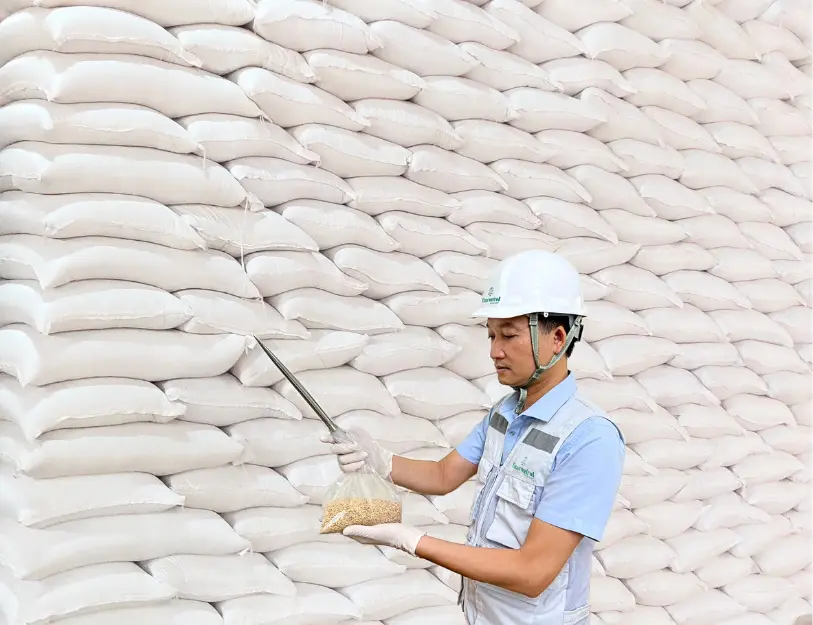
- Incoming Raw Material Inspection: Inspecting raw materials before production to ensure they meet quality requirements, preventing waste of time and material costs..
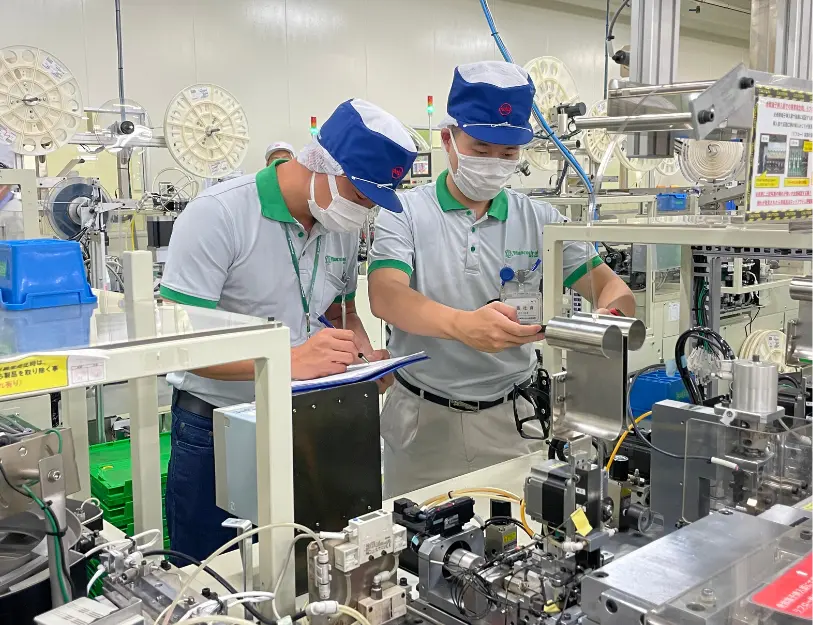
- Initial Production Inspection: Checking the quality of sample products or trial offers against order requirements before mass production begins, helping to minimize wasted time, scrap, rework, order delays, and future quality disputes.
- During Production Inspection (DUPRO): Ensuring that goods continue to meet quality requirements and supporting the control of defects and issues arising during the manufacturing process.
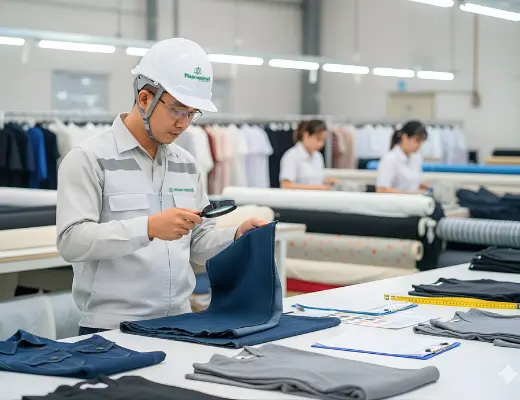
- Final Random Inspection (FRI): Determining conformity between finished products and sales contract agreements for goods circulating in the domestic market or for export/import.
At the Loading Port:
- Loading Supervision: Monitoring quantity, specifications, condition of goods, and packaging; providing evidence of loading as a basis for payment and finalization.
- Securing, Lashing, and Dunnage Supervision: Monitoring cargo in containers at the factory or on board at the loading port.
At the Discharge Port:
- Pre-discharge / Hatch Cover Opening Inspection: Inspecting the condition of goods and cargo stowage on the vessel.
- Supervision during Discharge: Monitoring the unloading process, inspecting packaging condition, cargo stowage in holds, and assessing damaged goods.
- Supervision of Handling and Transfer: Monitoring goods from the vessel to transport vehicles and transit to warehouses; inspecting quantity, condition, stowage, and preservation at port warehouses.
- Inspection for State Management / Specialized Inspection.
At the Factory/Project Site:
- Inspection of quantity, weight, type, specifications, and condition of goods.
- Visual quality inspection.
- Inspection of type, specification, and intended use.
- Product packaging inspection.
- Certificate of Origin (C/O) verification.
- Customized inspection types and services based on specific commodity characteristics.